Facelift Risks and Complications: What Fresno Patients Should Know
Posted October 06, 2026 in Facelift Surgery
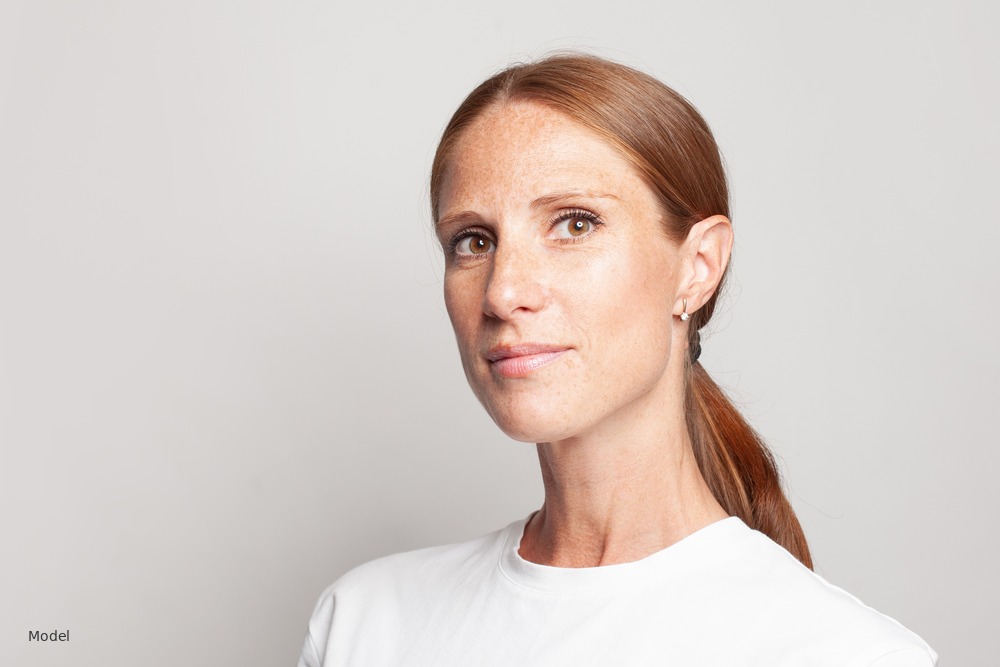
Facelift surgery can help you achieve a refreshed, more youthful appearance without looking overdone. However, every surgery carries risk, and a facelift is no exception. For patients undergoing facelift surgery in Fresno, CA, understanding your potential risk factors and complications can help you make more informed, confident decisions about your care.
At Valley Institute of Plastic Surgery in Fresno, CA, Dr. Chin prioritizes patient safety while enhancing natural beauty and preserving each patient’s unique features.
6 Min Read:
Table of Contents
- What Are the Main Facelift Risks and Complications?
- What Factors Can Increase Facelift Procedure Complication Risks?
- What Should You Know About Facelift Scars and Wound Healing?
- Why Choosing the Right Facelift Surgeon in Fresno Matters
- What Should You Ask About Facelift Safety During Your Consultation?
- FAQ About Facelift Risks and Complications
- Schedule Your Facelift Consultation in Fresno, CA
What Are the Main Facelift Risks and Complications?
A facelift involves incisions, repositioning tissue, removing excess skin, and tightening deeper facial tissues. Dr. Chin uses these steps to improve facial contour and address sagging skin during your surgical procedure.
Potential facelift risks include:
- Bleeding or hematoma
- Infection
- Anesthesia complications
- Facial nerve injury or weakness
- Temporary or lasting numbness or changes in skin sensation
- Fluid accumulation
- Poor wound healing or skin loss
- Unfavorable scarring
- Temporary or permanent hair loss near the incisions
- Persistent pain or prolonged swelling
- Skin irregularities or discoloration
- Asymmetry or a result that may require revision surgery
- Deep vein thrombosis, cardiac, or pulmonary embolism
Your medical history, medications, lifestyle habits, and surgical plan can influence your individual risk. A careful consultation allows Dr. Chin to identify concerns before you decide to move forward.
What Factors Can Increase Facelift Procedure Complication Risks?
Your overall health and certain lifestyle habits can affect your risk. For example, certain blood thinners or supplements can interfere with blood clotting and affect healing, increasing the chance of a hematoma. Smoking can also inhibit the recovery process and increase the risk of poor wound healing, hematoma, and facial skin loss.
During your consultation, give Dr. Chin a complete list of:
- Prescription and over-the-counter medications
- Vitamins and supplements
- Previous surgeries
- Medical conditions and allergies
- Tobacco or nicotine use
- Any history of bleeding or clotting problems
Do not stop prescription medication unless the care provider who manages it has deemed it safe.
What Should You Know About Facelift Scars and Wound Healing?
A facelift requires surgical incisions, so some early scarring is expected. During the procedure, Dr. Chin makes an incision at the temple above the hairline, continues around the ear, and ends in the lower scalp. The natural contours around your ears and hairline help to conceal these scars.
Scars usually mature throughout the healing process, but unfavorable scarring can occur. This can accompany poor wound healing, skin loss, or temporary or permanent hair loss near the incisions.
Follow your postoperative wound-care and sun-protection instructions carefully. If an incision changes in a way that concerns you, contact your surgical team.
Why Choosing the Right Facelift Surgeon in Fresno Matters
You cannot eliminate every surgical risk, but you can make informed decisions about your experienced surgeon and surgical setting. If you’re seeking more information about facelift surgery in Fresno, CA, board-certified plastic surgeon Dr. Chin can help you navigate your treatment and risk factors so you cab move forward with confidence.
Dr. Mark Chin is board certified by the American Board of Plastic Surgery. With years of surgical training in cosmetic and reconstructive surgery, he leads an expert surgical team at an AAAHC-accredited surgical facility. He combines advanced surgical skills with a patient philosophy centered on safety, personalized care, and natural-looking facial rejuvenation that considers your unique facial features.
During your consultation, Dr. Chin will take the time to understand your goals, evaluate your facial tissues, and determine the right treatment for you.
What Should You Ask About Facelift Safety During Your Consultation?
A consultation should give facelift patients a clear understanding of both the potential benefits and risks of facelift surgery. Use your consultation to ask direct questions about your personal risks, anesthesia, recovery, facility accreditation, and how the practice manages potential postoperative complications.
Consider asking:
- Which facelift risks apply most to me?
- How does my medical history affect my risk?
- Where will my surgery take place?
- Who will provide anesthesia?
- What symptoms should I watch for after surgery?
- How can I reach the practice if I have a concern?
- What happens if I need treatment for a complication or revision?
FAQ About Facelift Risks and Complications
Is facelift surgery considered safe?
While widely considered safe, facelift surgery has recognized risks, including bleeding, infection, anesthesia complications, nerve injury, wound-healing problems, and blood clots. Your individual risk depends on factors such as your health, medications, lifestyle, and surgical plan.
What is the most common facelift complication?
Hematoma formation is the most common facelift complication. It most often develops within 24 hours after surgery and may require prompt treatment. If you develop a significant hematoma, prompt surgical treatment can help prevent damage to your skin and other tissues.
Can facial nerve injury damage be permanent?
Facelift surgery takes place near facial nerves and blood supply, so nerve injury can affect sensation or facial muscle movement. These changes generally remain temporary, but permanent facial nerve injury is rare. Dr. Chin will explain how your facelift relates to these risks, including permanent nerve injury, and what you can realistically expect as you heal.
Can facelift scars become noticeable?
Yes. Surgeons generally position facelift incisions around the hairline and ears to make them less conspicuous, but unfavorable scarring remains a recognized risk.
How can I lower my risk of potential complications?
Give Dr. Chin an accurate medical history and medication list, follow all preoperative instructions, and carefully follow postoperative wound-care and activity restrictions.
When should I call my surgeon after a facelift?
Contact your surgical team whenever you develop a change that concerns you or falls outside the recovery instructions they provided. Seek prompt medical attention for symptoms such as severe one-sided facial or neck pain within 24 hours, shortness of breath, chest pain, or an irregular heartbeat after facelift surgery.
Schedule Your Facelift Consultation in Fresno, CA
Understanding facelift risks and complications helps you make a more informed decision and ask better questions before surgery. If you are considering a facelift in Fresno, meet with board-certified plastic surgeon Dr. Mark Chin to discuss your goals, medical history, surgical plan, and individual risk factors.
Call Dr. Chin and the Valley Institute of Plastic Surgery team at (559) 435-9646 or complete the online contact form to schedule your personal consultation today.